From @backyardbirdhaven
The world
outside the window.
Bird ID. Bird Truths. Migration. Your Yard.
Four recurring themes from the Backyard Bird Haven social archive.
The autumn collection
Small birds.
Very shareable thoughts.
Six illustrated notes for the season: a little humor, a closer look, and something useful to take outside.
An editorial collection prepared for Instagram. These are new post concepts, not a live feed or a record of published posts.
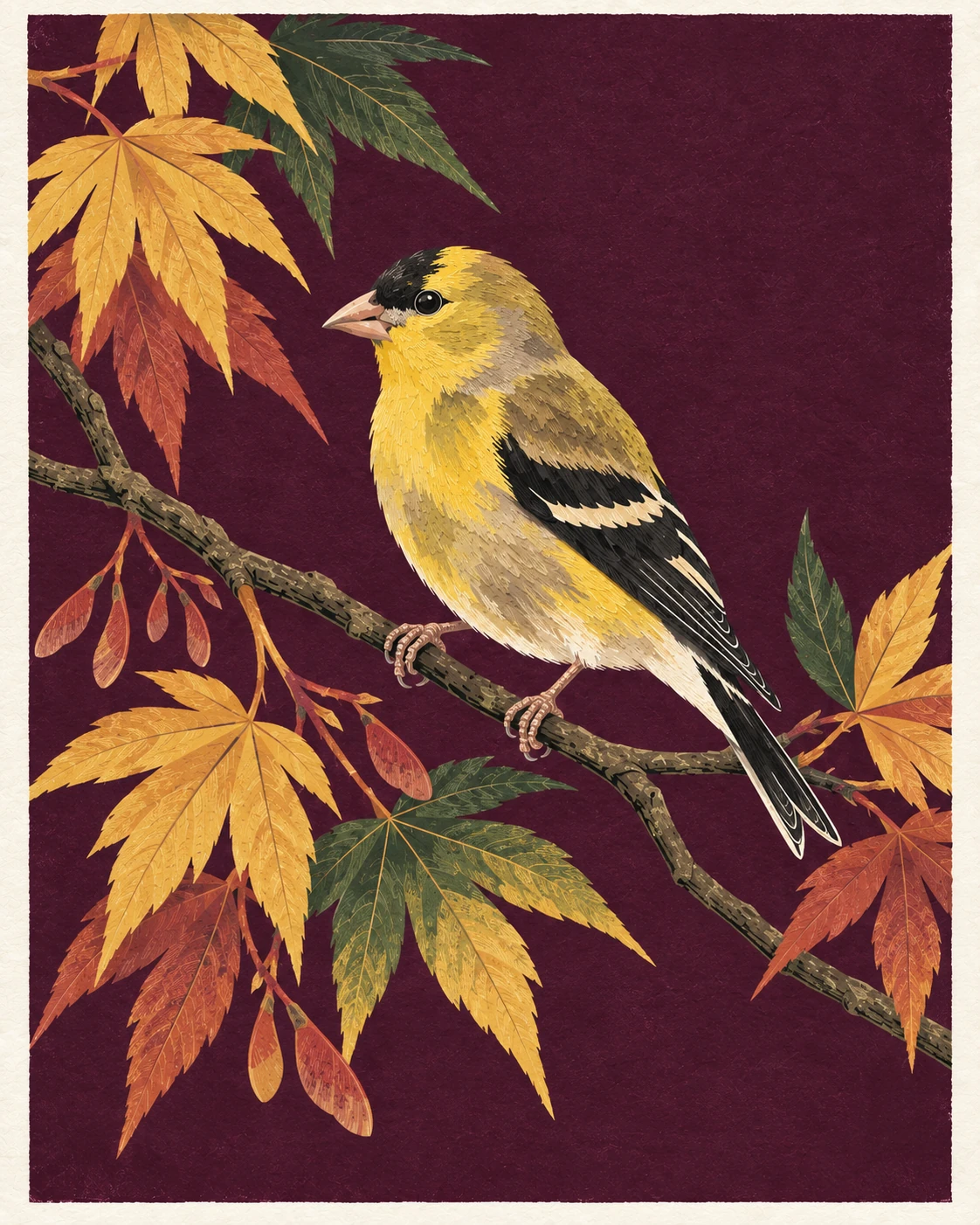
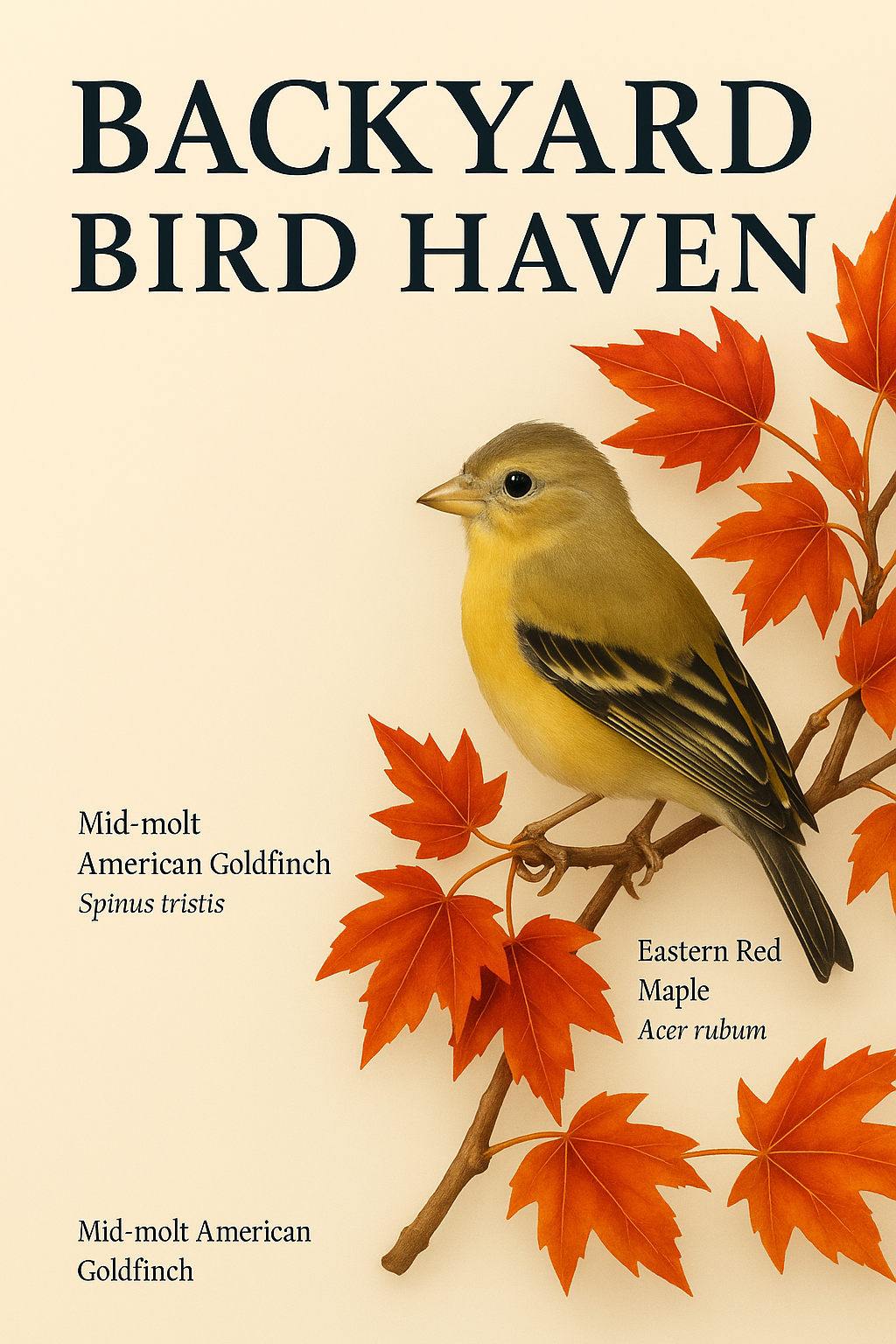
01 / Seasonal identity
Currently between plumages.
The goldfinch has entered its muted-palette era. American Goldfinches replace their body feathers in late summer, and males trade bright breeding yellow for a subtler winter look. Seasonal change, excellent art direction. Send this to someone in their own transitional era.
Expert guidance · Cornell Lab: American Goldfinch
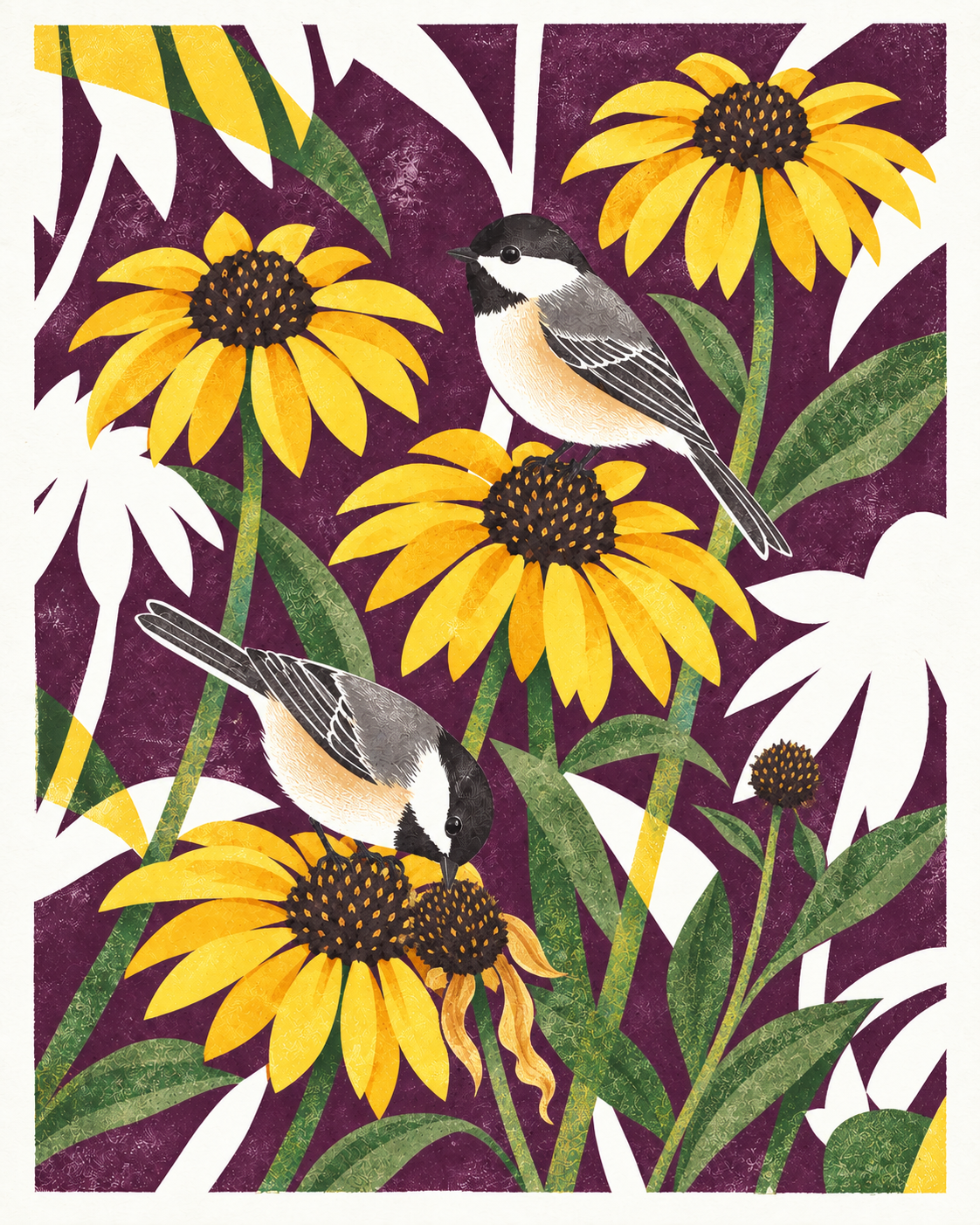
02 / A small useful action
The garden can leave a few things unfinished.
One less autumn chore: leave a few seed heads standing. Native wildflowers can offer seeds for birds, and plant stems can shelter insects. Keep paths clear and leave a practical patch. Save this for the day the garden starts looking suspiciously untidy.
Expert guidance · Audubon: autumn yard care
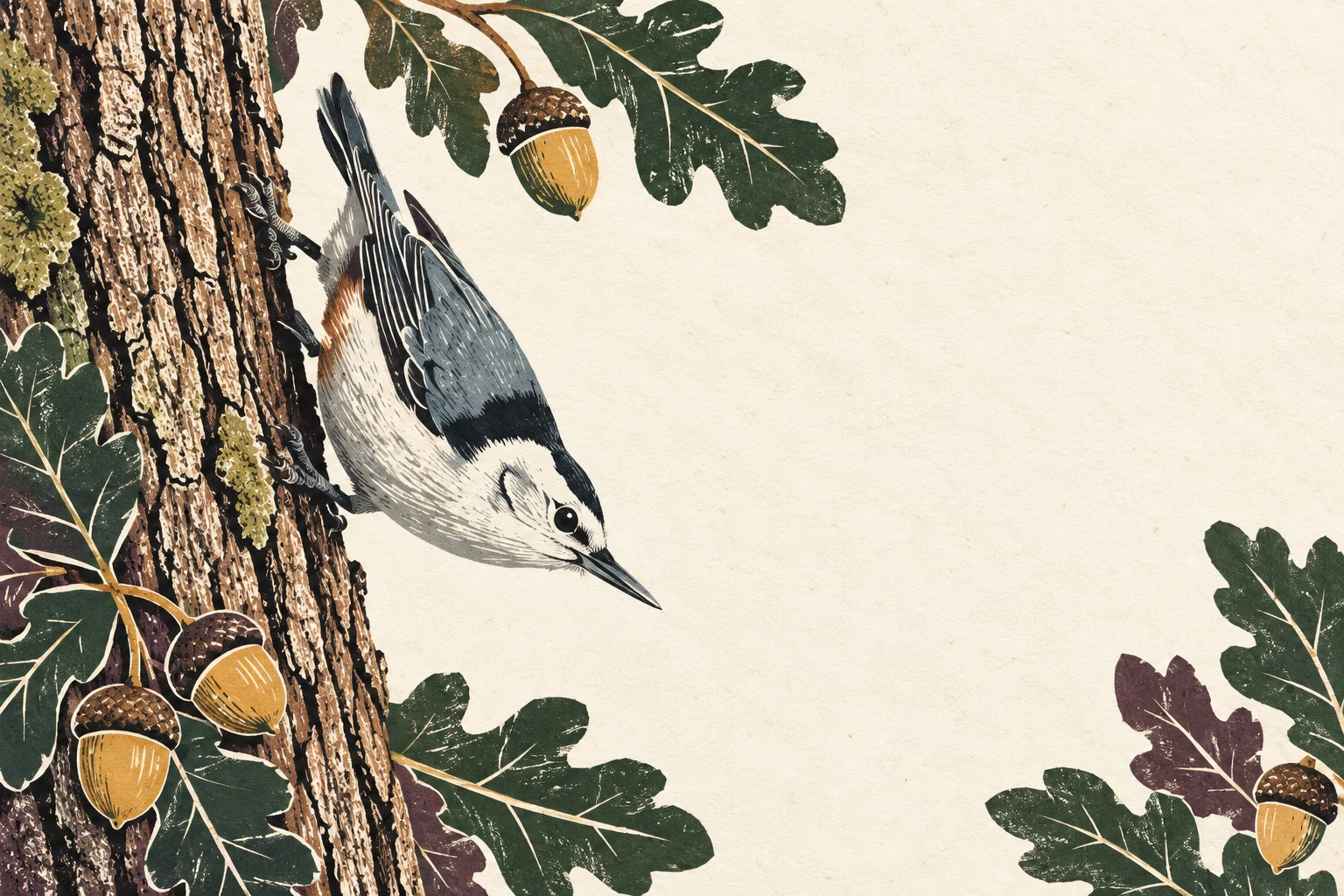
03 / Everyday observation
Your next meeting has feathers.
Put five minutes on the calendar. Look out a window or step outside. Notice one bird, one sound, or one detail you missed yesterday. No binoculars required. What turned up during your very important appointment?
Field note · Try the observation bingo
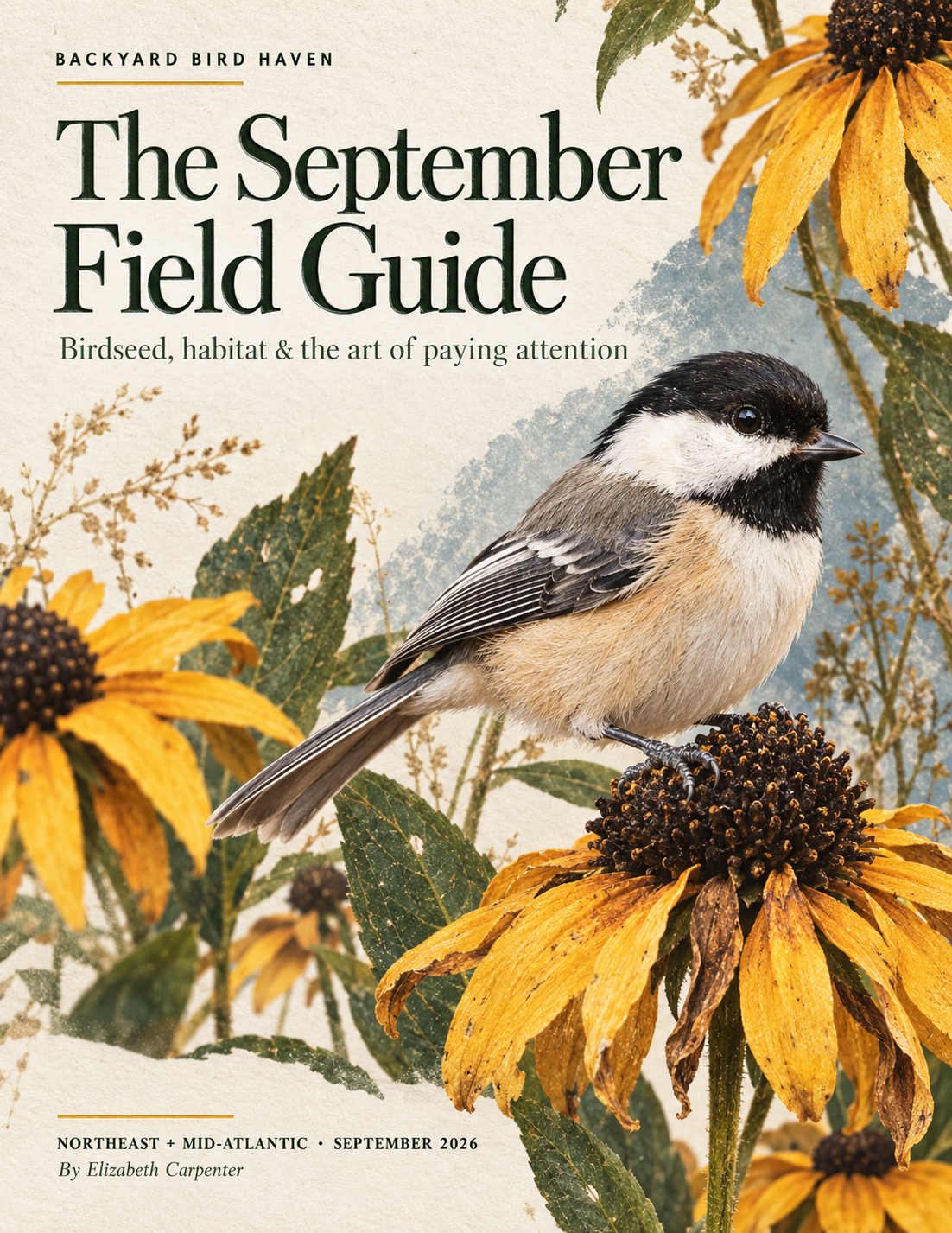
04 / Practical care
The seed buffet needs a closing shift.
Discard wet or spoiled seed. Clean feeding surfaces and the ground beneath them. Rinse and dry feeders thoroughly before refilling. Cornell recommends cleaning seed feeders about every two weeks, and more often in wet weather or heavy use. Save the full instructions for feeder-cleaning day.
Expert guidance · Cornell Lab: feeder cleaning
05 / Belonging
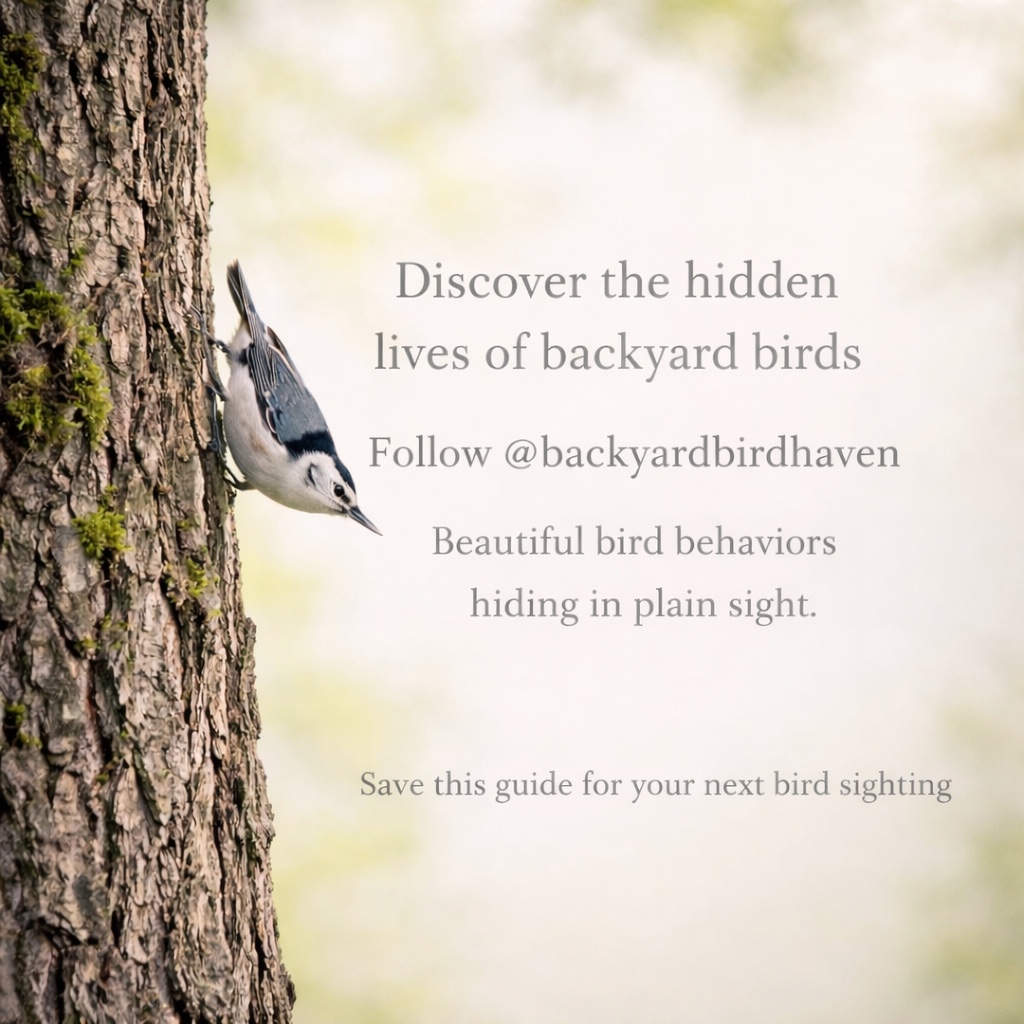
No acreage. Still invited.
A window, a park bench, the tree outside your building. You can start noticing birds from any of them. Owning a garden is not an entrance requirement. Send this to your apartment-dwelling bird friend.
Field note · Birds without a backyard
06 / A shared ritual
Birdwatching. Now with absolutely no agenda.
Bring a friend. Find somewhere comfortable. See who flies past. You do not have to identify every visitor to enjoy the company. Who would you invite for coffee and a little unstructured staring?
Field note · Find your birding people
From the Backyard Bird Haven video notebook.
An everyday observation
A visitor at the feeder.
Through the porch railing, a red cardinal pauses at a green feeder. The chair partly obscures the view. It is an ordinary backyard moment, and that is what makes it worth keeping.
Watch for the pause before the next movement. Where does the bird look? What catches your attention on a second viewing?
Try a closer look
- Describe the visible colors, shape, and movement.
- Note what the bird does at the feeder.
- Separate what the recording shows from what you would need more time to learn.
From the illustrated notebook
Turn a post into a practice.
The goldfinch field card, city-pigeon notebook, fall migration artwork, and backyard bingo supply four distinct starting points: identification, a question about behavior, a seasonal story, and an activity.
Start with Look Closer: nine things to watch or listen for, with room to leave a square for another day.
Try the backyard observation bingo ↗For the seasonal research story, read After the porch light goes out. It connects the migration theme to a cited study and explains its limits.
From a post to a deeper story
Let curiosity
lead somewhere.
The social invitation is short: look closer. The website gives that invitation somewhere to go, with a longer story, traceable sources, and one useful next step.
Start with the DMV planting feature, the Coastal Maine evening essay, or The Autumn Letter.